
By Oliver J. Jackson • July 29, 2026
The recent debates around the public wearing of bonnets and du-rags have sparked intense discussions about identity, self-expression and societal norms. The apparent backlash against these forms of attire has not only called into question personal choices but has also stirred up deeper conversations about what it means to be Black in America today. Critics argue that these garments undermine the dignity of the Black community, while defenders see them as expressions of cultural heritage and comfort. The conversation goes far beyond fashion and taps into the historical context of Black bodies and societal expectations.
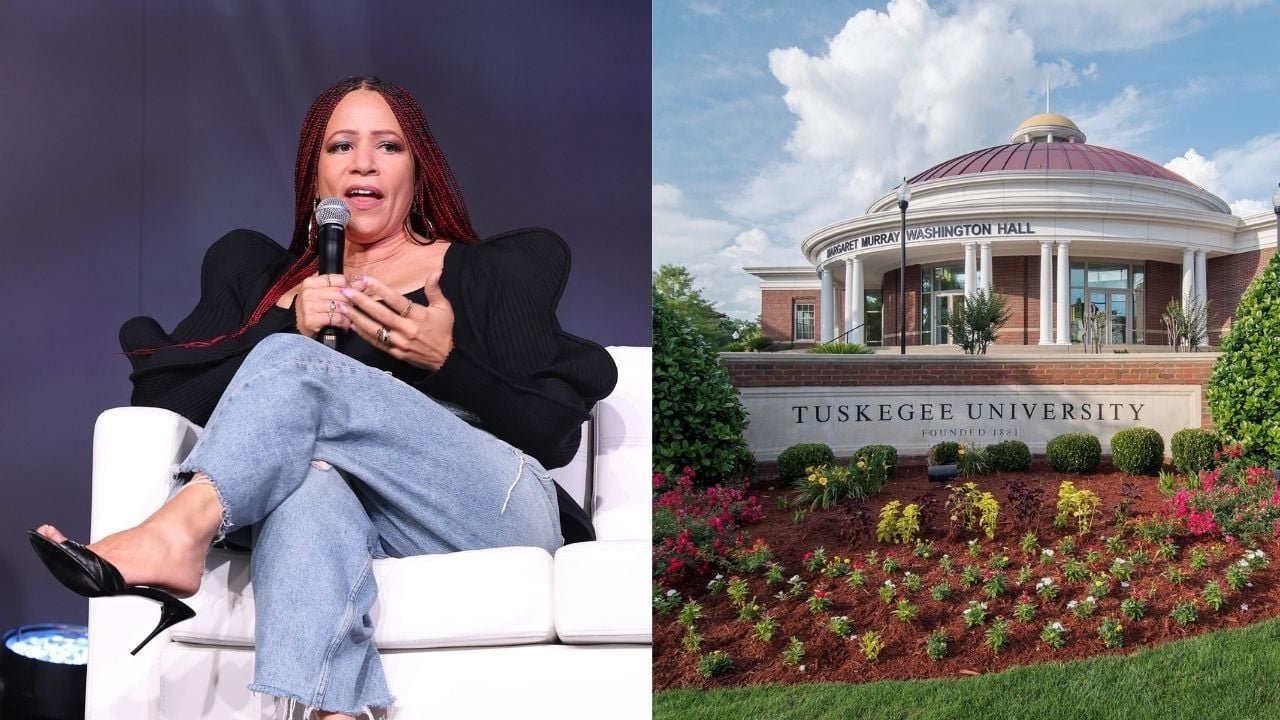
Nikole Hannah-Jones, alongside various public figures and everyday citizens, has been vocal in addressing these issues. Hannah-Jones highlighted the parallels between current debates and past struggles, like the Tignon laws of the 18th century that dictated how Black women could adorn their hair in public. This historical context sheds light on the ongoing fight against anti-Blackness in all its forms, emphasizing that the critique of bonnets and du-rags is not just about aesthetics but rather a reminder of the oppressive structures that have long attempted to police Black expression.
What’s become clear in this discussion is that anti-Black sentiments are often cloaked in the guise of respectability politics. Many people, particularly those in positions of influence, tend to equate professionalism with Eurocentric standards of appearance, vilifying garments like bonnets and du-rags as signs of inferiority. This perspective fails to recognize that the very act of policing how Black people choose to present themselves is itself a reflection of anti-Black bias, steeped in a desire to fit neatly into mainstream society’s often exclusionary norms.
Social media has emerged as a battleground for this debate, with hashtags and viral posts fueling conversations that resonate well beyond individual opinions. Supporters of wearing bonnets and du-rags in public have rallied to reclaim these items as symbols of pride rather than shame. This shift in dialogue challenges the notion that Black people must conform to societal standards for respectability, asserting the right to express themselves authentically, regardless of societal expectations. As this discussion gains momentum, it challenges us all to reflect on our own biases and the historical weight carried by styles of dress.
The ongoing bonnet ban debate serves as both a mirror and a catalyst for larger societal dialogues around race, identity and belonging. It forces us to confront uncomfortable truths about how we perceive each other and the frames of reference that often shape our judgments. As more voices join the conversation, the hope is for a reevaluation of what we deem acceptable in public spaces. Ultimately, the insistence on freedom in self-expression, whether through what we wear on our heads or how we navigate our identities, uplifts the entire Black community. This is about a celebration of who we are, untouched by the constraints of a society that often seeks to define us.
#BonnetDebate #CulturalExpression #NikoleHannah-Jones