
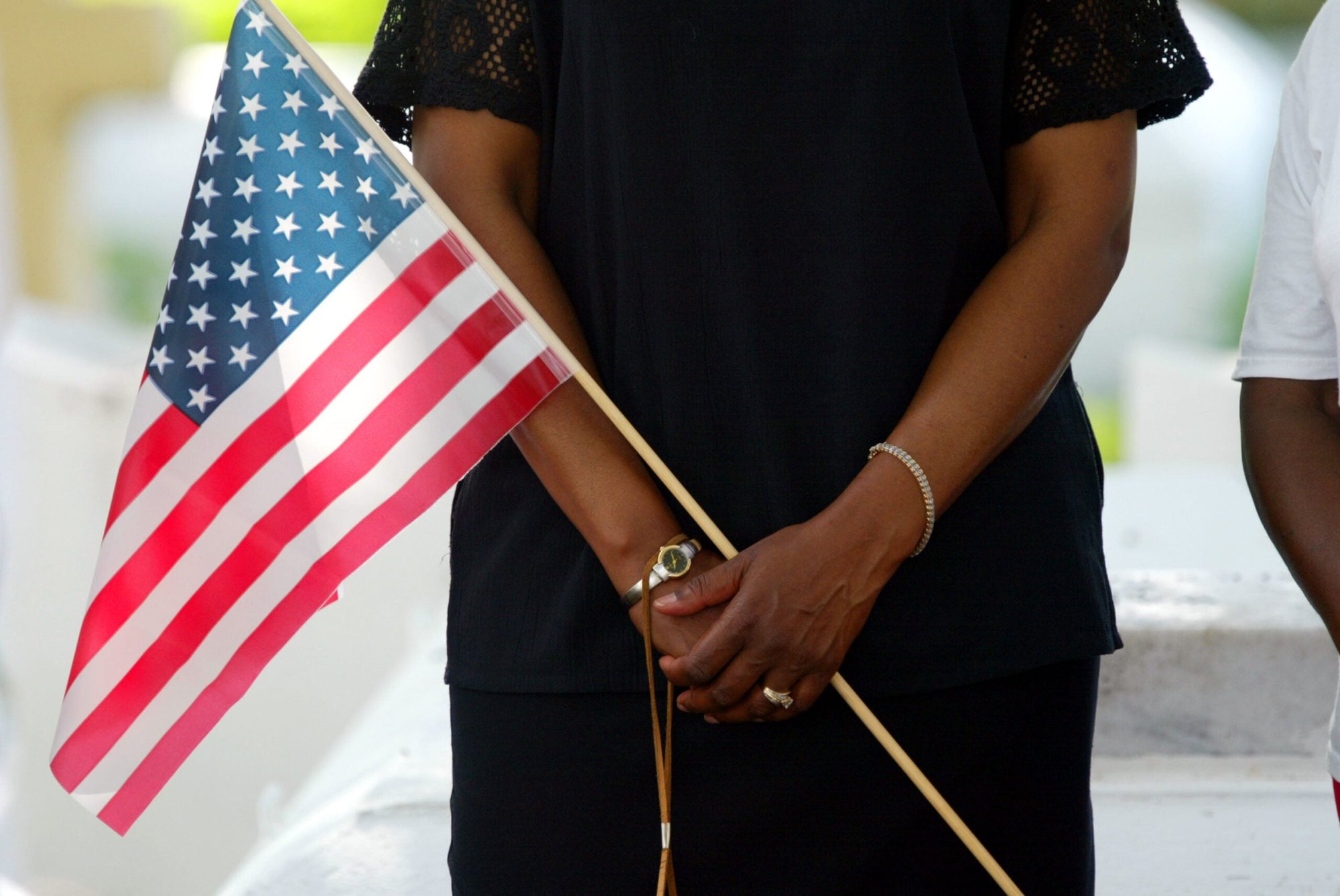
A recent poll has shed light on the complex relationship many Black Americans have with the American flag, revealing that a mere 22% view it as a symbol of unity. This striking figure stands in stark contrast to the sentiments expressed by other demographic groups, highlighting a significant divide in the perception of national symbols. The research prompts an exploration of the historical and contemporary factors that shape these differing views, particularly within the Black community, which has faced systemic inequalities and injustices throughout American history.
The survey, conducted by a national research firm, included a diverse array of participants and sought to gauge feelings towards the American flag in the context of unity and nationalism. While many Americans from various backgrounds identify the flag with patriotism and shared identity, it appears that for a substantial number of Black adults, the flag carries more complex associations tied to historical oppression and marginalization. This disconnection raises important questions about the inclusivity of national symbols and their ability to represent all Americans.
Factors contributing to this sentiment include a long history of racial violence, the ongoing struggles against systemic racism, and recent national events that have reignited conversations about racial injustice. Many Black Americans feel that the flag, rather than embodying inclusivity and solidarity, has often been wielded as a tool of exclusion, particularly by groups promoting white nationalism. This painful historical context complicates the narrative around patriotism and raises doubts about whether the American flag truly reflects the aspirations of all citizens.
Moreover, the results of the poll indicate a need for deeper dialogue surrounding national symbols and their meanings. As communities continue to grapple with issues of race and equality, the failure of the flag to resonate as a unifying symbol may prompt important discussions about reevaluating what it means to be American. Advocates argue that creating a more inclusive national identity could help bridge these gaps and foster a shared sense of belonging among all demographics in the U.S.
The findings not only reflect the current sentiments among Black Americans but also serve as a call to action for policymakers, educators, and community leaders. Understanding and addressing the reasons behind this disconnection is crucial for building a more equitable society, where national symbols can inspire unity rather than division. As the nation moves forward, it will be essential to create spaces for dialogue that empower marginalized voices and foster a truly inclusive narrative of American identity.
#Americanflag #BlackAmericans #nationalidentity
Oliver J. Jackson is the founder of Wassupr.com and a Los Angeles-based creative director, program strategist, and entrepreneur with over 15 years of experience across 2K, Riot Games, Esquire TV, and NBCUniversal. Bringing an insider’s perspective to digital innovation, he covers a wide range of topics for Wassupr including entertainment, news, gaming, technology, business, creator culture, sports, health, and fashion.