
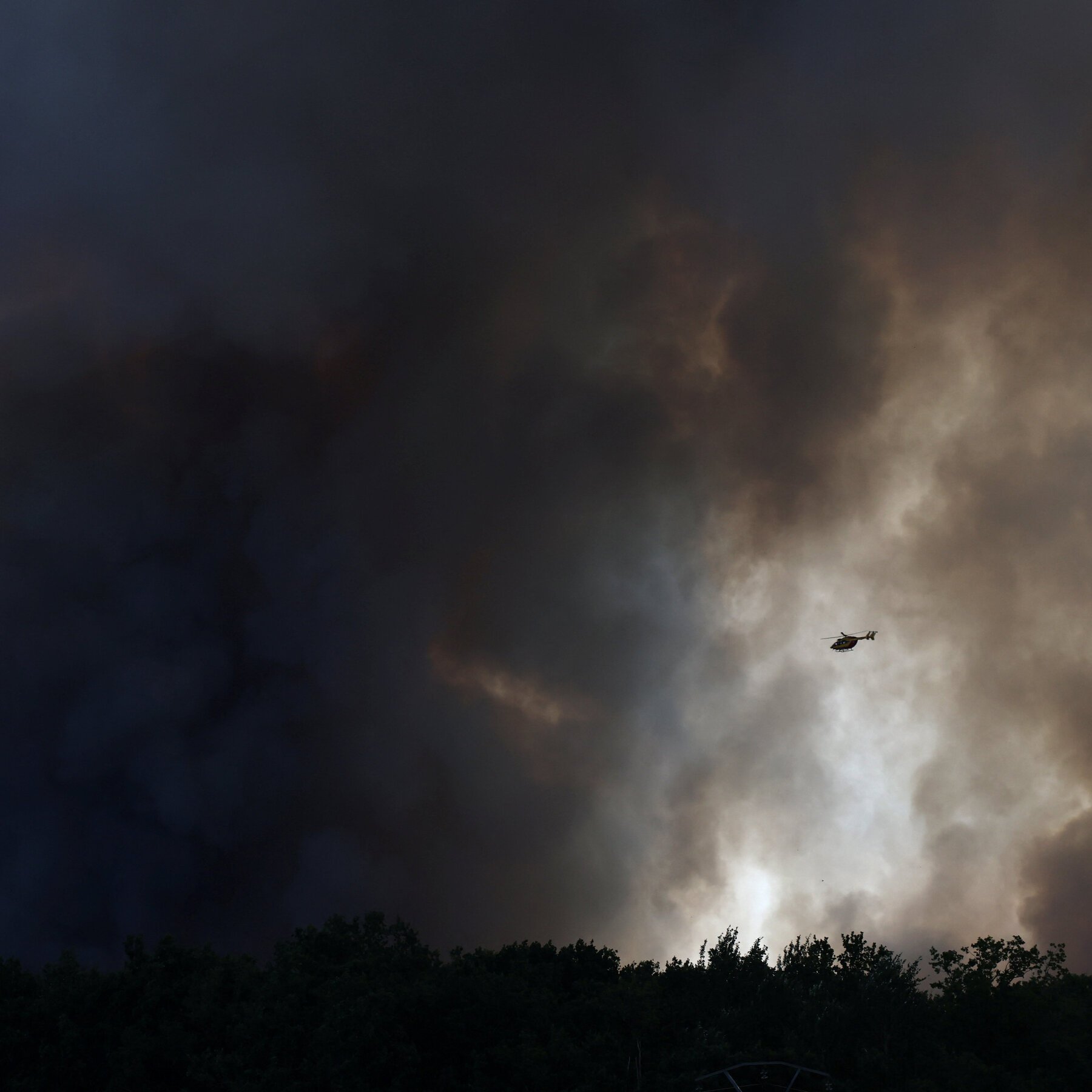
Recent advancements in attribution science have garnered attention from researchers and policymakers alike, as a new report from the National Academies of Sciences, Engineering, and Medicine highlights its potential in understanding the link between climate change and extreme weather events. This rapidly evolving field of study offers a clearer picture of how human actions contribute to shifting weather patterns, marking a crucial step towards accountability in the face of climate-related disasters. As such events become increasingly common, the findings promise to bolster efforts in seeking legal reparations for communities adversely affected by climate change.
Attribution science quantifies the extent to which global warming influences specific weather occurrences, enabling researchers to deduce how much an event’s severity can be attributed to human-driven climate change. This approach assists in making a compelling case for those impacted by hurricanes, wildfires, and floods—events that are often exacerbated by rising temperatures. By providing concrete data that correlates environmental shifts with anthropogenic factors, scientists can equip advocates and attorneys with powerful evidence to pursue damages in court, benefiting areas that have historically been marginalized in climate conversations.
As climate-related lawsuits gain momentum, the report’s findings come at a critical juncture. Many communities, particularly those in low-income and minority demographics, disproportionately bear the brunt of climate disasters and their aftermath. The ability to use empirical data from attribution studies can amplify their voices and support justice movements aimed at holding corporate and governmental entities accountable. With these advancements, there exists a genuine opportunity to effect change, as legal platforms increasingly become vital tools for social and environmental justice.
The implications of the report extend beyond courtroom battles. Besides creating pathways for restorative justice, attribution science educates the public about the consequences of climate inaction. It empowers individuals to advocate for policy changes that prioritize sustainability and mitigate environmental risks. As communities become more aware of the connections between their experiences and larger climate trends, they can mobilize collectively, raising awareness and demanding proactive measures from their leaders to combat the climate crisis head-on.
Despite these promising advancements, challenges remain. The complexity of climate systems and limited public understanding of scientific nuances may hinder the immediate application of attribution findings in legal scenarios. Nevertheless, researchers and advocates are dedicated to bridging these gaps. The growing body of evidence from attribution science could play a pivotal role in reshaping narratives around climate change, emphasizing the necessity for urgent action and driving the discourse towards solutions that emphasize accountability and equity for those most affected.
#ClimateChange #AttributionScience #ClimateJustice
Oliver J. Jackson is the founder of Wassupr.com and a Los Angeles-based creative director and entrepreneur with over 15 years of experience across 2K, Twitch Games, NBCUniversal, Esquire TV, and G4TV. Bringing an insider’s perspective he covers a wide range of topics including entertainment, gaming, technology, business, creator culture, sports, and fashion.