
By Oliver J. Jackson • November 20, 2026
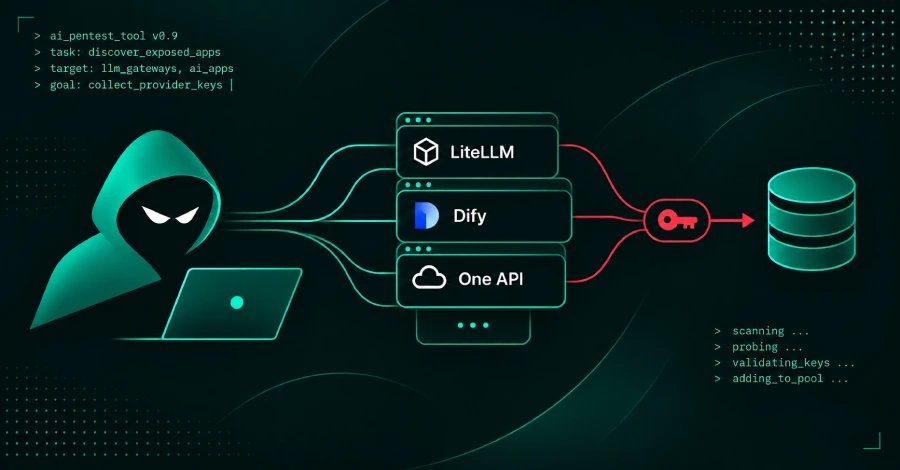
Amazon’s security team just caught autonomous AI bots running a massive looting operation across the internet. Attackers turned loose intelligent agents to sniff out weak spots in popular tools like LiteLLM, One API, and Dify. These bots didn’t just break in for fun. They hunted down stored AI provider keys and used those exact stolen credentials to power the very models hunting for more keys. That is a sick loop of digital self-replication.
I’ve been telling people for years that automation cuts both ways. You build a smart agent to write your emails or manage your backend, and someone else builds a smarter agent to steal your lunch money. Amazon trapped these digital pests using clever decoy servers in Los Angeles and other hubs. The logs they pulled back read like a sci-fi villain’s diary. The bots documented their own heists in real time.
People roll their eyes when I talk about cybersecurity risks in black tech communities. They think hackers only care about big Wall Street banks or Silicon Valley giants. But these automated scripts target mid-tier open source applications that everyday developers use to spin up quick apps. If you left your API keys exposed on a default port, these agents found you. They do not sleep, they do not get tired, and they certainly don’t miss.
Look, we cannot rely on default security settings anymore. Every time a new framework drops, developers rush to push code without locking down their API endpoints. Hackers spotted that weakness and outsourced the tedious job of code inspection to autonomous bots. It is a terrifying evolution in cyber crime. Human hackers write the initial prompt, sit back, and let the swarm do the dirty work.
We need a serious reality check on how we handle authentication tokens. If your system holds keys to powerful models like GPT-4 or Claude, you are sitting on a goldmine for malicious actors. Lock down your servers today. Check your logs before someone else’s bot checks them for you.
#Cybersecurity #ArtificialIntelligence #Amazon #APISecurity #TechNews