
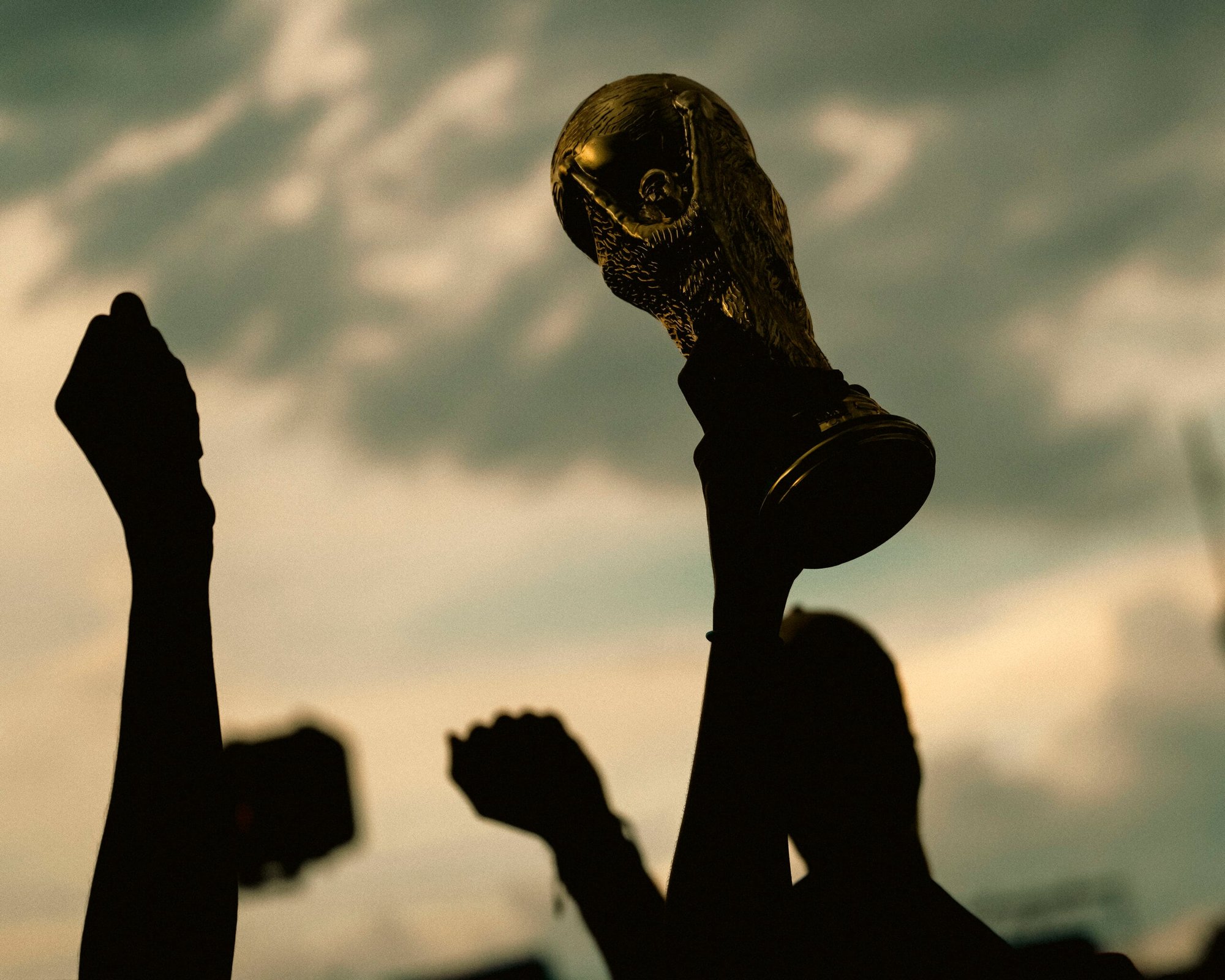
As the world gears up for the 2026 FIFA World Cup, excitement fills the air—not just for the beautiful game, but for the diverse tapestry of cultures and identities that the tournament represents. For many, the World Cup is a chance to celebrate Black excellence, ingenuity, and resilience across various nations. From the skilled players of Ghana to the dynamic fans of the U.S., the event serves as a potent reminder that Black representation is not confined to a single narrative or nationality. It fosters a sense of global kinship among Black communities, transcending borders and uniting people with a shared love for soccer.
However, this celebration is not without its complexities. Rooting for all Black players, regardless of the nation they represent, brings to the forefront conversations about patriotism and identity. While many fans find joy and pride in cheering for teams like Senegal or Jamaica, they also grapple with the realities of cultural allegiance. The diversity among Black diasporas often leads to a tug-of-war between supporting one’s own heritage and embracing a collective pride in Black accomplishment on an international scale. This nuanced relationship adds layers to the experience of soccer fandom that aren’t often addressed in simplistic narratives.
History plays a significant role in shaping these dynamics. The segregated past of soccer in different countries has fostered varied perspectives on race and belonging. For example, while the U.S. team boasts several prominent players of Black descent, such as Pulisic and Weston McKennie, their experiences differ from those of their African counterparts who navigate the complexities of post-colonial identities. This intersection of history and sport suggests that while the game creates opportunities for unity and pride, it cannot erase the deep-seated struggles that many Black individuals face within their nations and communities.
Moreover, the global nature of the World Cup amplifies issues such as colorism, which is prevalent in different cultures, impacting how players are celebrated or vilified. It draws attention to the ways in which society often categorizes and critiques Black athletes based on their skin tone, facial features, and even their cultural backgrounds. The World Cup becomes not just a venue for athletic prowess but a stage for confronting broader social issues that resonate with many Black communities worldwide. Thus, the sport opens pathways for advocacy and dialogue while celebrating Black narratives in all their complexity.
In the end, the call to ‘root for everybody Black’ is a beautiful anthem, rich with implications. It encapsulates both the joys and the intricacies of being a Black fan in a global community where shared experiences and diverse realities collide. The 2026 World Cup offers a momentous occasion to honor these powerful narratives, bringing light to the fact that while we cheer for our teams, we’re also celebrating a collective identity that has endured, thrived, and will continue to flourish in surprising and meaningful ways across the world.