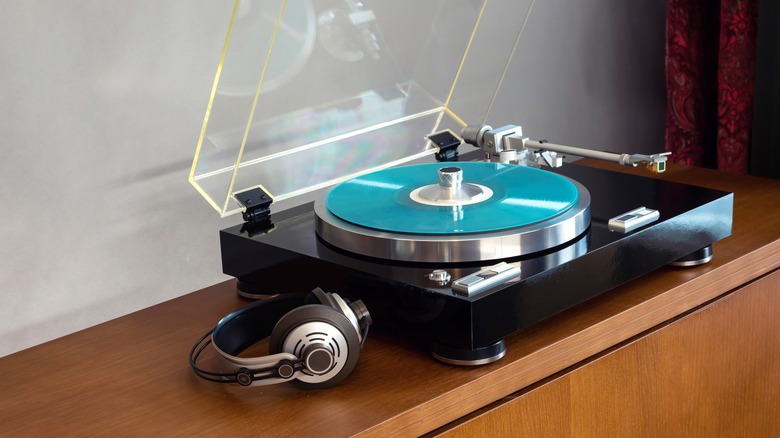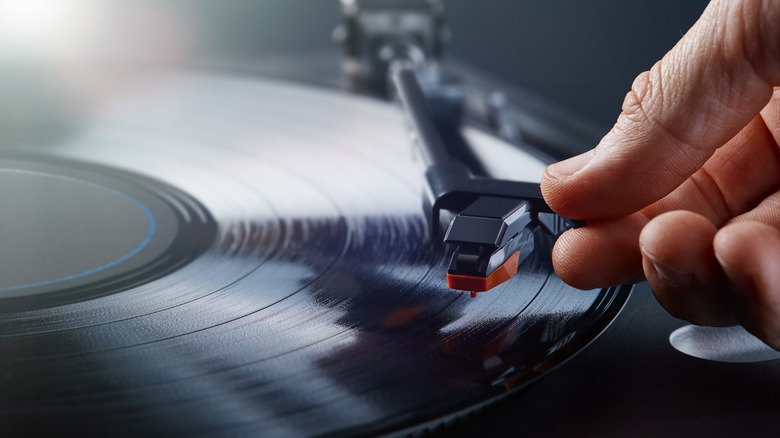
For music enthusiasts and audiophiles alike, the choice of a turntable is far from trivial. The market offers various models, but the two predominant types are belt-drive and direct-drive turntables. Each offers distinct features that cater to different needs and preferences, making it essential to understand the fundamental differences between them before making a purchase.
Belt-drive turntables utilize a rubber or felt belt to connect the motor to the platter. This design has been popular for decades, particularly among vinyl purists who appreciate its sound quality. The belt absorbs vibrations from the motor, which minimizes noise and results in clearer audio playback. Many enthusiasts believe that belt-drive systems produce warmer tones and a more authentic vinyl experience.
In contrast, direct-drive turntables feature a motor that directly spins the platter, offering increased torque and faster start-up times. This design is favored by DJs and professional users who rely on quick, accurate speed adjustments. Direct-drive models are renowned for their durability and longevity under heavy use, making them an ideal choice for those who regularly perform live sets. However, while they excel in functionality, some audiophiles argue that they can produce more mechanical noise and vibrations compared to their belt-driven counterparts.
The decision between a belt-drive and direct-drive turntable ultimately comes down to your specific needs as a listener or performer. If you’re seeking a classic vinyl experience with an emphasis on sound quality, a belt-drive turntable may be the way to go. On the other hand, if you’re a DJ or someone who prioritizes speed and flexibility in performance contexts, a direct-drive model could be your best bet. It’s crucial to consider not just the specifications, but also your personal listening habits and how you plan to use the turntable.
Buying a turntable is not merely about aesthetics or brand names; it’s a commitment to a particular kind of auditory experience. By comprehending the differences between belt-drive and direct-drive models, consumers can make informed decisions that align with their musical tastes and needs. Whether you prefer the vintage charm of a belt-driven system or the reliable performance of a direct-drive unit, understanding these differences will help you enjoy your vinyl collection to the fullest.