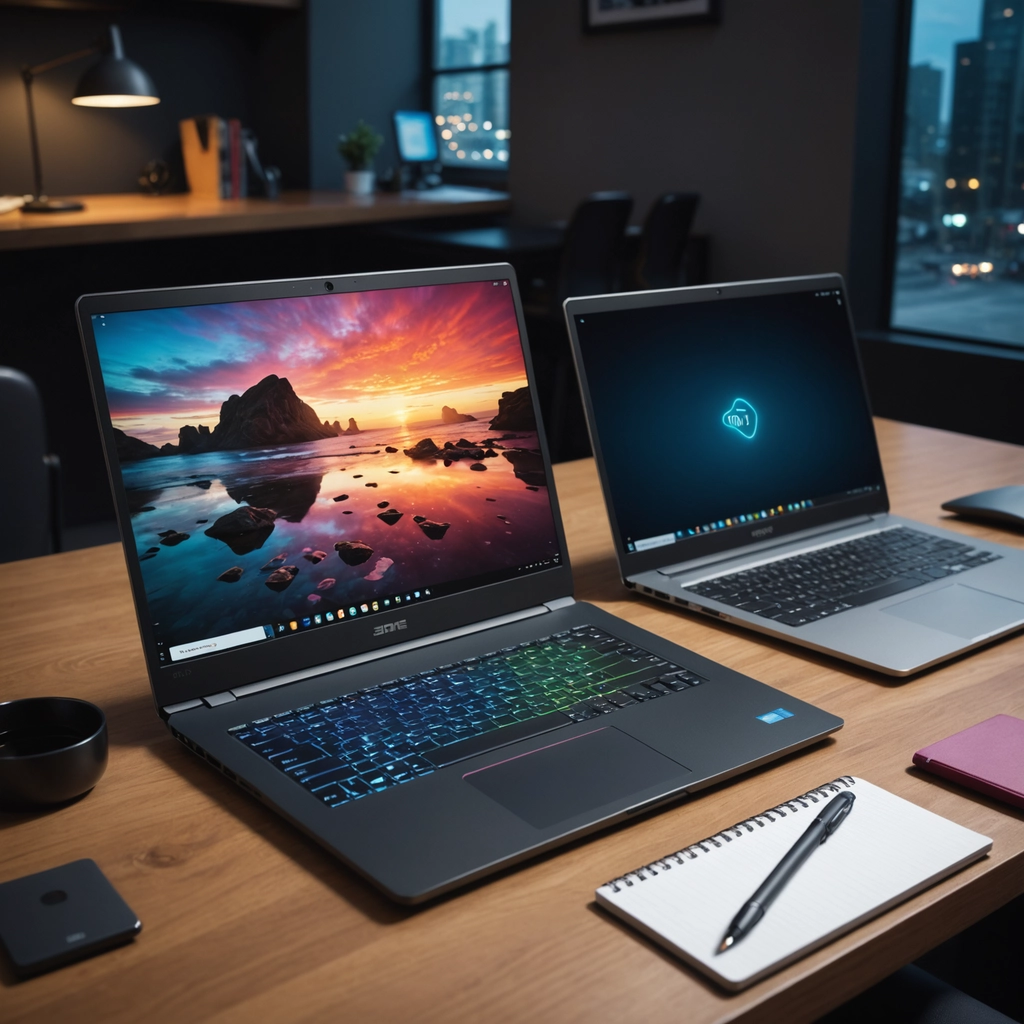
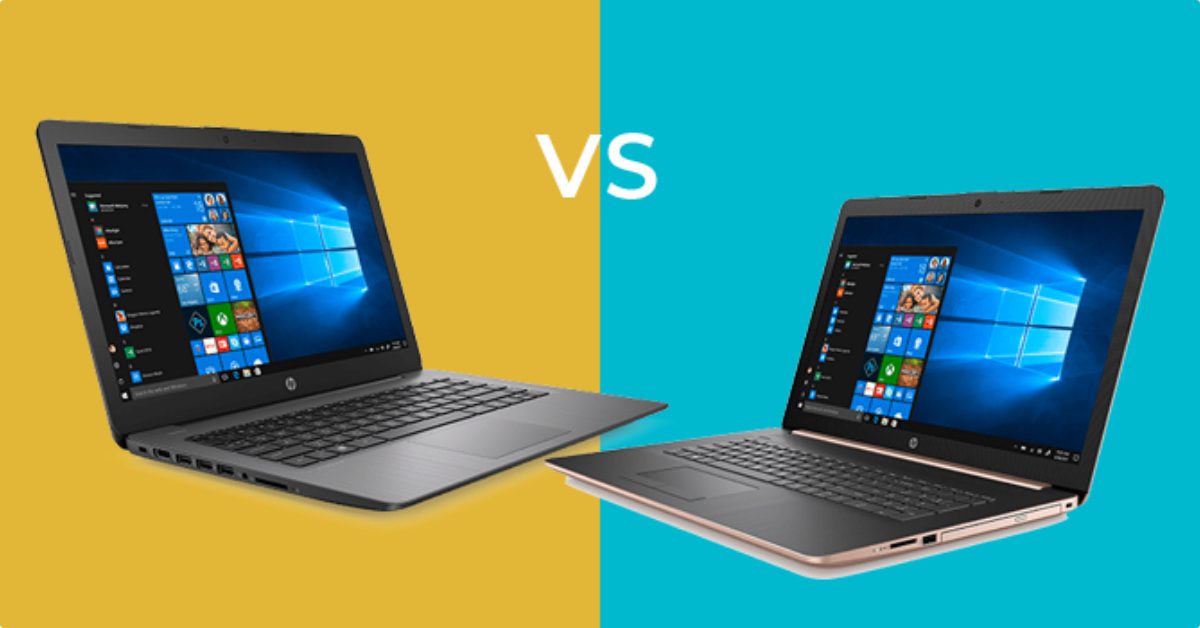
In the ever-evolving world of technology, the terms ‘laptop’ and ‘notebook’ are often used interchangeably, leading to confusion among consumers. Both are portable computing devices designed for convenience, but they have distinct characteristics that may influence your purchasing decision. In this article, we’ll explore the differences between laptops and notebooks, and help you determine which device is right for your needs.
Laptops are versatile, full-featured computers equipped with a range of hardware capabilities. Typically, they come with larger screens (usually 15 inches and above), faster processors, and more storage capacity, making them suitable for heavy tasks such as gaming, graphic design, and professional software applications. Their physical build often includes additional features, such as a DVD drive, a variety of ports, and sometimes a more robust battery life, all of which contribute to their higher weight but superior performance.
On the other hand, notebooks are slimmer, lighter, and more streamlined versions of traditional laptops. They often have smaller screens, typically ranging from 11 to 14 inches, and may sacrifice some power and storage to achieve portability. Notebooks are ideal for everyday tasks such as browsing the web, word processing, and streaming videos. Because of their lightweight design, they’re particularly popular among students and professionals who prioritize mobility over extensive computing power.
Your choice between a laptop and a notebook largely depends on your specific usage scenarios. If you need a device for complex tasks like video editing or gaming, a laptop is the way to go due to its superior performance capabilities. Conversely, if you’re looking for something to carry around easily and execute basic functions, a notebook will better suit your lifestyle. It’s important to assess your needs—whether it’s work, school, or leisure—to find the right balance between functionality and portability.
Choosing between a laptop and a notebook can be a daunting task, especially with the various models and specifications available on the market. Understanding the core differences will help streamline your decision-making process. Remember to consider factors such as performance needs, portability, battery life, and price point. Ideally, the right device should align with your personal preferences and lifestyle, making technology work for you rather than against you.