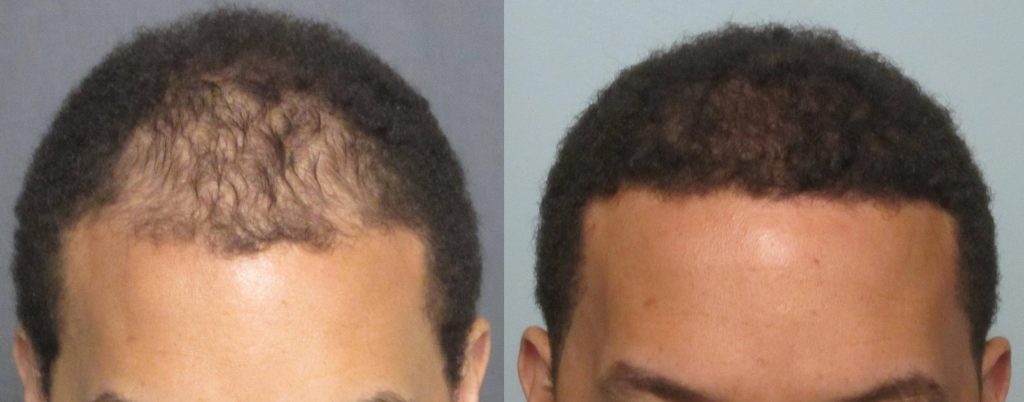
Researchers in the U.S. and Japan have achieved a groundbreaking feat by growing functional hair follicles in a laboratory setting, marking a significant advancement in baldness treatment.
Breakthrough in Hair Follicle Research
In a recent study published in Biochemical and Biophysical Research Communications, scientists have made strides in understanding how to cultivate hair follicles that naturally cycle through growth phases. Historically, attempts to grow hair follicles in labs have yielded limited results, primarily due to the lack of connection to surrounding tissue, which is crucial for normal hair growth.
The research team identified a key missing element in previous experiments: accessory mesenchymal cells. These cells provide structural support and are vital for forming the follicle’s surrounding tissue, particularly in the area known as the “bulge,” where hair growth occurs.
By integrating these cells during the early stages of follicle development, the lab-grown follicles began to behave more like natural ones, attaching to surrounding tissue and progressing through normal growth cycles without the need for transplantation.
The implications of this research extend beyond mere aesthetics. For many, hair loss is tied to self-esteem and identity, impacting mental health and social interactions. As society increasingly values personal appearance and self-expression, advancements in hair restoration techniques could significantly improve quality of life for millions.
As scientists continue to navigate the complexities of hair follicle regeneration, the hope is that this breakthrough will lead to viable treatments that could restore not just hair, but confidence and well-being for countless individuals grappling with hair loss.