In a revolutionary breakthrough, scientists have uncovered compelling evidence that traces of Earth’s atmospheric elements including nitrogen, carbon dioxide, and water exist on the surface of the moon.
This finding challenges many assumptions about the historical relationship between our planet and its lunar satellite, paving the way for new insights into Earth’s past and key innovations for future space missions.
For many years, experts believed that Earth stopped transferring atmospheric particles to the moon roughly 4 billion years ago. However, new research powered by sophisticated computer modeling suggests otherwise.
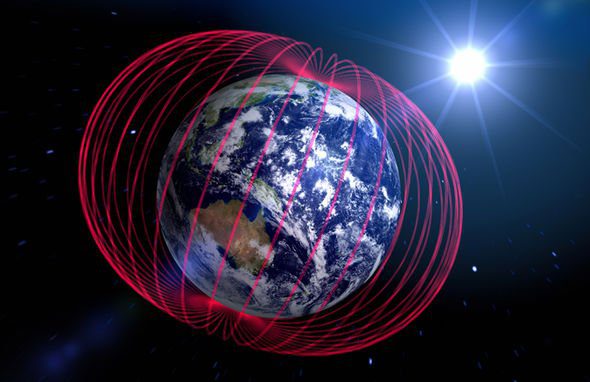
Scientists now understand that this exchange remains ongoing, facilitated by solar winds high energy streams of charged particles originating from the sun that continue carrying these elements from Earth’s atmosphere to the moon over long spans of time.
Although boundless potential lies ahead, researchers face distinctive roadblocks, with intensified exposure to radiation among them. High radiation levels on the moon’s surface remain one of the critical challenges facing efforts to test and expand viable settlement solutions for humans. Overcoming these hurdles is essential before the practical realization of a lunar habitat can unfold.
As research continues into the physical and chemical interaction between Earth’s atmosphere and the moon, this paradigm-shifting discovery exemplifies the delicate ties within our ever-evolving solar system.
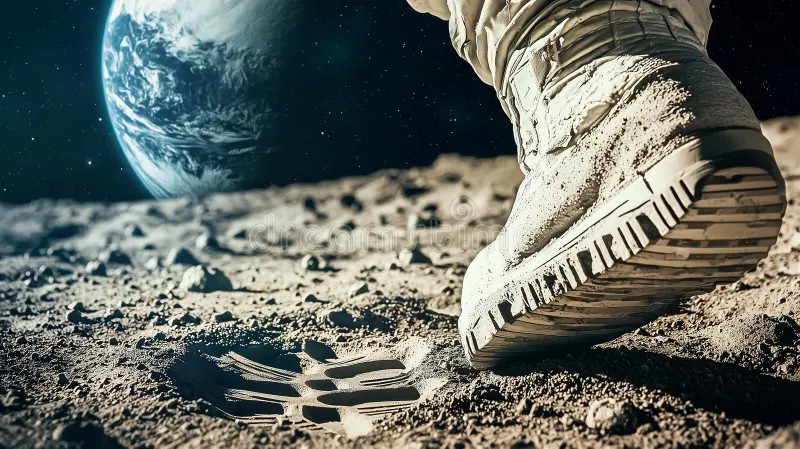
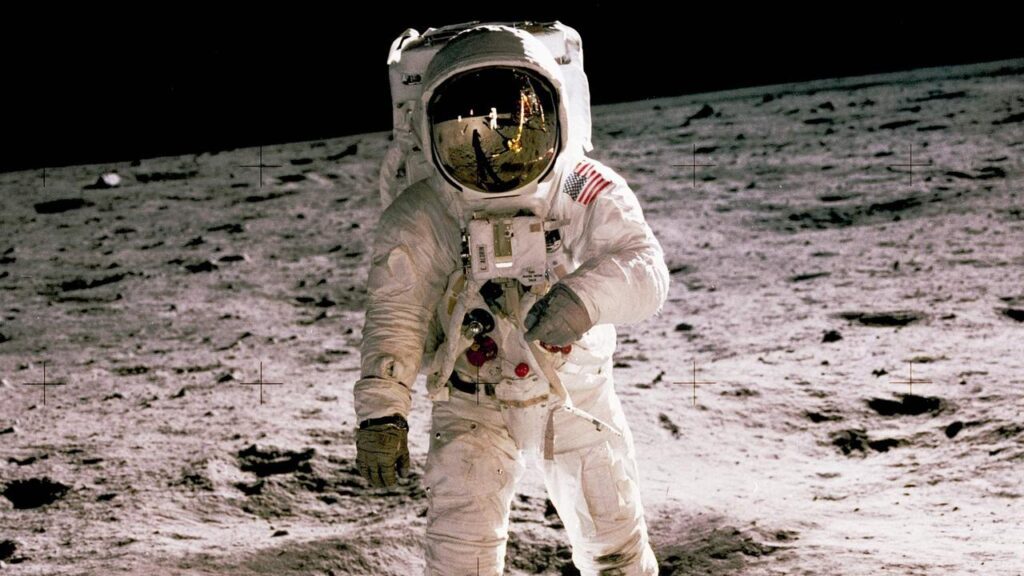
The possibility of becoming “the man on the moon” is migrating from pages of fiction to blossoming into genuine outcomes powered by steadfast advancements.