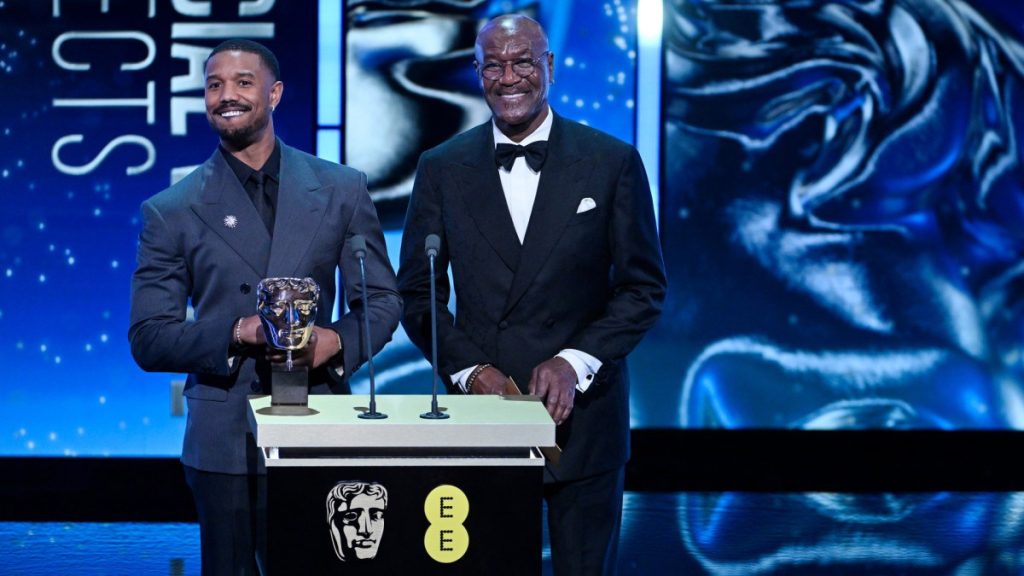
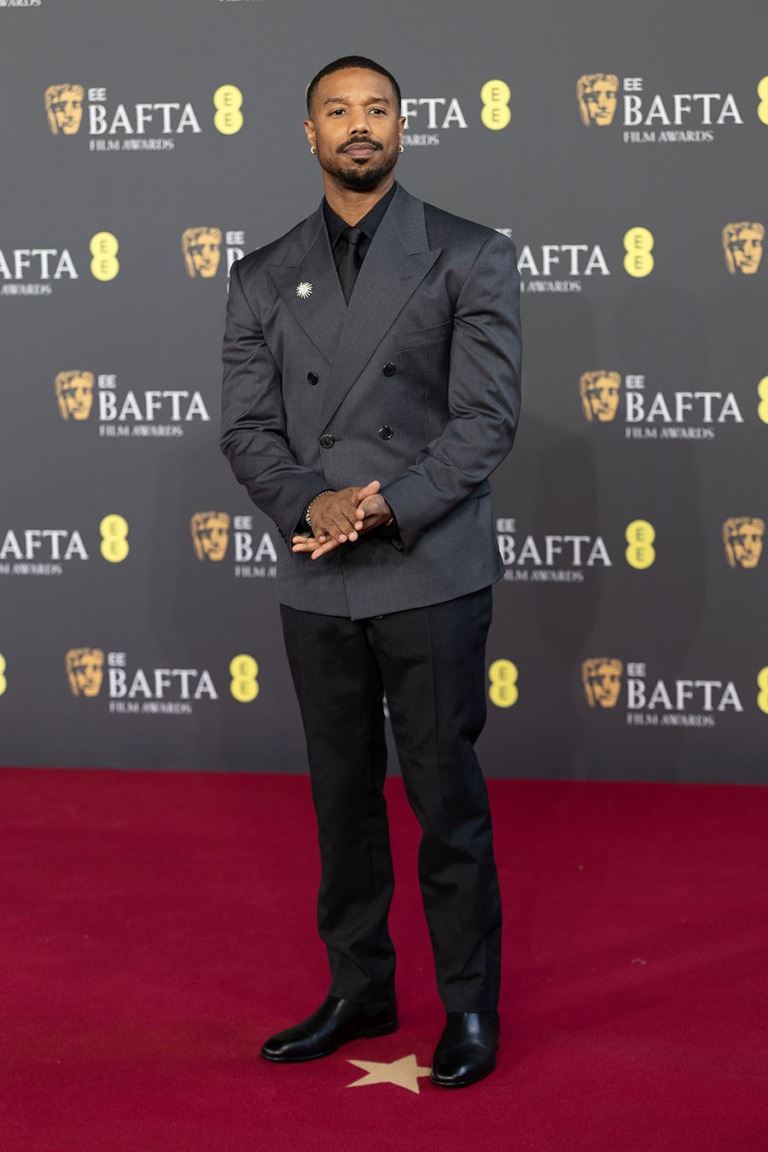
American actors Michael B. Jordan and Delroy Lindo faced a shocking moment at the British Academy Film Awards (BAFTA) in London on February 22, 2026, when an audience member yelled a racial slur, prompting an apology from the BBC.
Racial Outburst Sparks Controversy
A spokesperson for the BBC addressed the incident, stating, “Some viewers may have heard strong and offensive language during the BAFTA Film Awards 2026. This arose from involuntary verbal tics associated with Tourette syndrome and was not intentional. We apologize for any offense caused by the language heard.”
A spokesperson for the BBC addressed the incident, stating, “Some viewers may have heard strong and offensive language during the BAFTA Film Awards 2026. This arose from involuntary verbal tics associated with Tourette syndrome and was not intentional. We apologize for any offense caused by the language heard.”
The incident at the BAFTA Awards has reignited discussions about the intersection of mental health, disability, and acceptable behavior in public forums. While Tourette syndrome is a recognized neurological disorder, the question remains whether involuntary outbursts can be excused in social settings, particularly when they involve offensive language.
As public awareness grows, there is a pressing need for more dialogue about the implications of Tourette syndrome and the responsibilities of media outlets in moderating content that may be harmful or offensive.