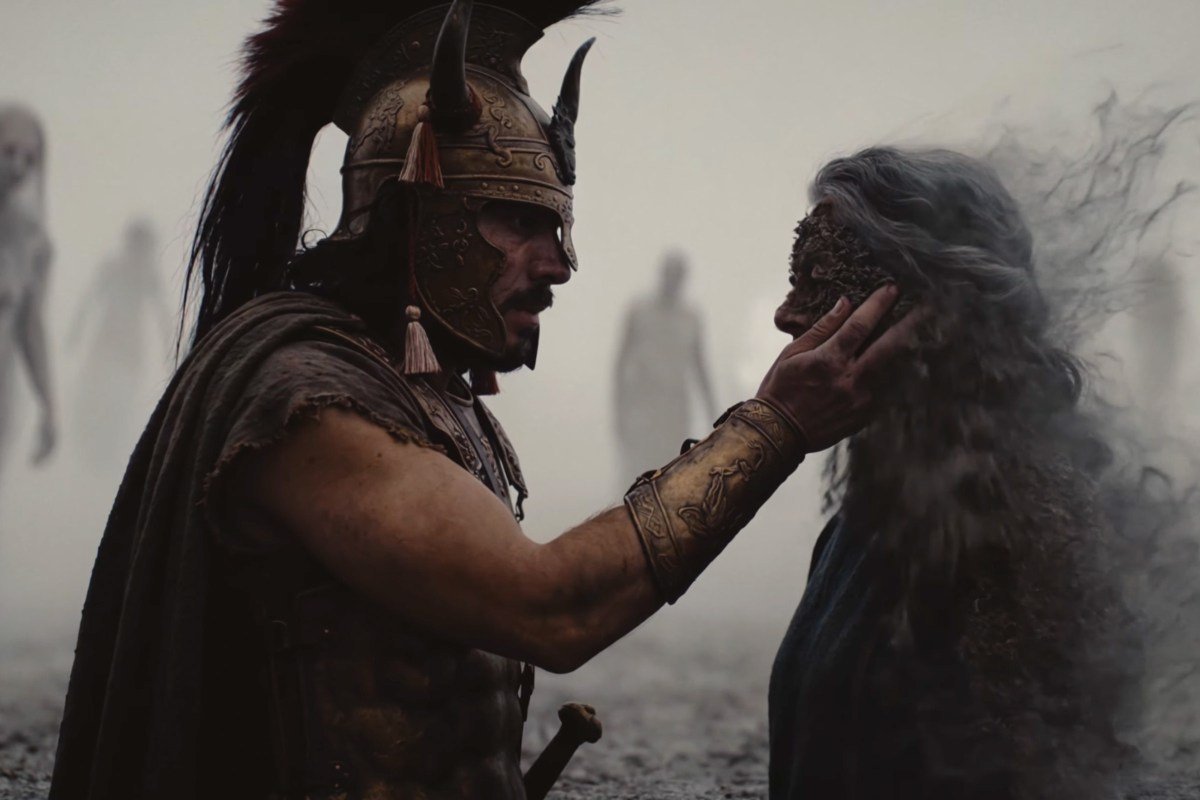
We’d Rather Live Through the Trojan War Than Spend 135 Minutes Watching an Entirely AI Version of “The Odyssey”
A Tech Misadventure: The Odyssey Reimagined by AI Falls Flat
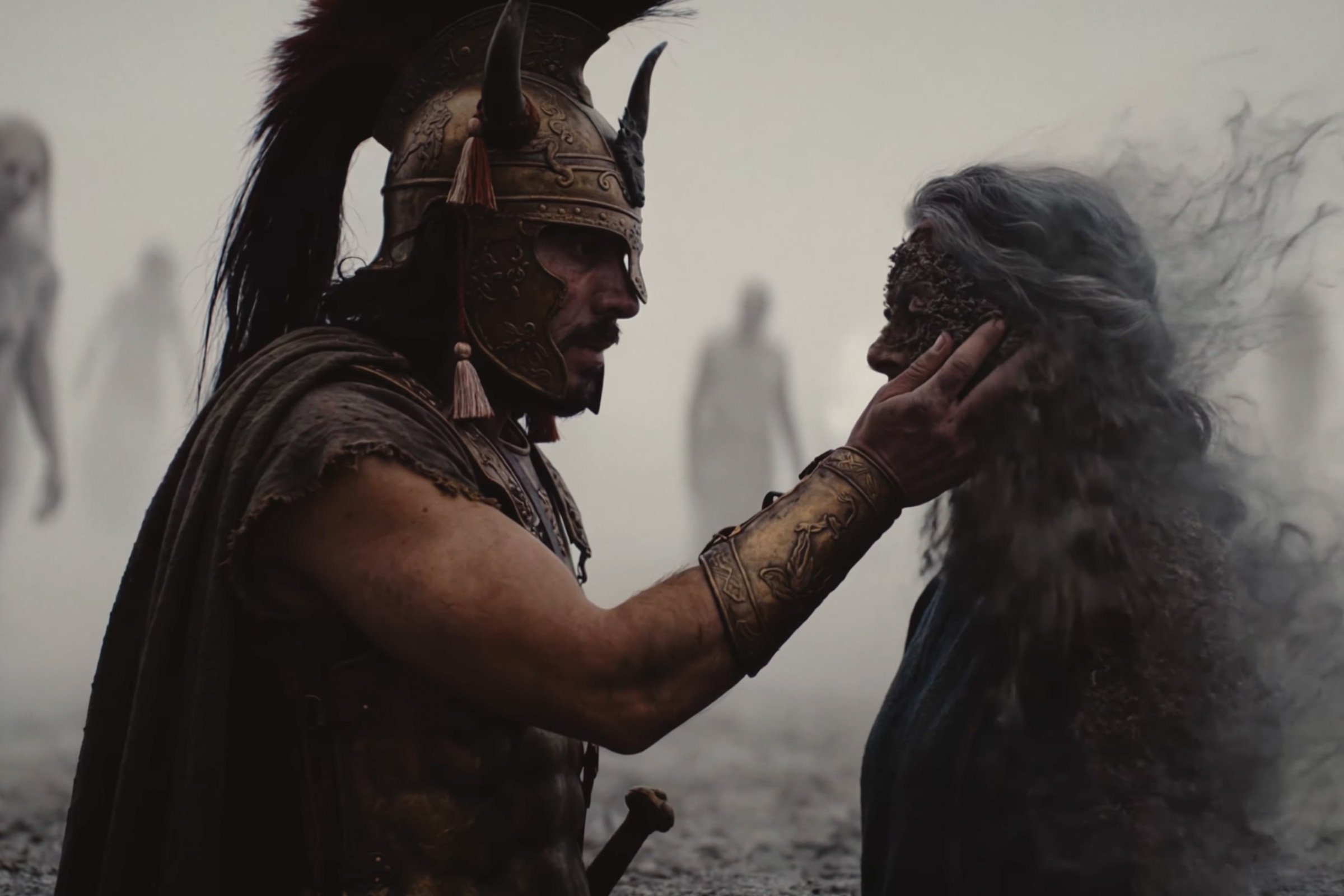
In a baffling display of technological ambition, an entirely AI-generated adaptation of Homer’s epic poem ‘The Odyssey’ has emerged, prompting collective groans from audiences and critics alike. Expected to be a bold new interpretation of the classic narrative, this creation instead turned out to be a tedious 135-minute experience that left viewers wondering why anyone would spend tens of thousands of dollars on such a venture. The project, which aimed to bring the ancient story into the digital age, has instead become a cautionary tale about the limitations of artificial intelligence in the creative arts.
The AI rendition of ‘The Odyssey’ fails not only in narrative cohesion but also lacks the emotional depth that makes Homer’s original work resonate across centuries. While technological advancements have undoubtedly made waves in various fields, this film serves as a stark reminder that some human experiences—like storytelling—cannot be authentically replicated by algorithms. The dialogue, character development, and even the scenic visuals feel disjointed, leaving viewers wishing they were back in the classroom listening to a teacher passionately recount the tale instead.
Critics have been vocal in their disdain for the project, with some commentators suggesting that watching paint dry would be a more engaging use of one’s time than sitting through this AI-generated film. Viewers have taken to social media to express their disbelief, using gifs, memes, and fiery critiques to articulate the unpleasantries of their viewing experience. One user summarized the sentiments perfectly, stating, ‘I’d rather relive the Trojan War than endure this cinematic nightmare.’ The feedback illustrates a significant disconnect between the creators’ ambitions and audience expectations.
As the conversation around AI in the arts continues to grow, this flop illustrates the importance of collaborating with human storytellers who can infuse depth and authenticity into narratives. While technology holds potential for innovation, it should enhance—not replace—the rich tapestry of human creativity. The failures of this AI film might prove beneficial by sparking debate on where the threshold lies between machine-generated art and the profoundly human experiences that shape storytelling.
Looking ahead, one can only hope that future projects will heed these lessons, steering clear of the pitfalls seen in this adaptation. The world of storytelling and creative expression is nuanced and vibrant, a realm where artificial intelligence should serve as a tool, not a replacement. As audiences crave genuine connections with the stories they engage in, the question remains: can technology ever truly capture the essence of human experience?
#AI #TheOdyssey #Filmmaking
Oliver J. Jackson is the founder of Wassupr.com and a Los Angeles-based creative director and entrepreneur with over 15 years of experience across 2K, Twitch Games, NBCUniversal, Esquire TV, and G4TV. Bringing an insider’s perspective to digital innovation, he covers a wide range of topics including entertainment, gaming, technology, business, creator culture, sports, and fashion.