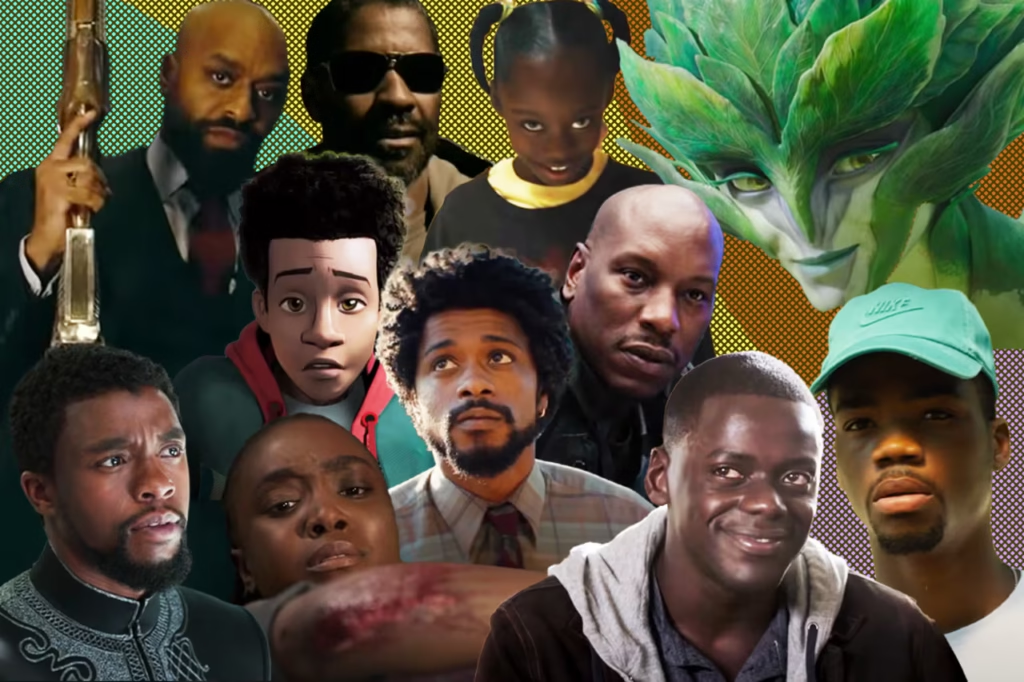
In the rich tapestry of cinema, science fiction and horror have always been genres that push boundaries, challenge norms, and explore the deepest recesses of human imagination.
Over the last five decades, Black filmmakers have made significant contributions to these genres, offering unique perspectives and innovative storytelling that have left indelible marks on the film industry.
Today, we celebrate the best sci-fi and horror films directed by Black filmmakers, each of which has brought something special to the screen.
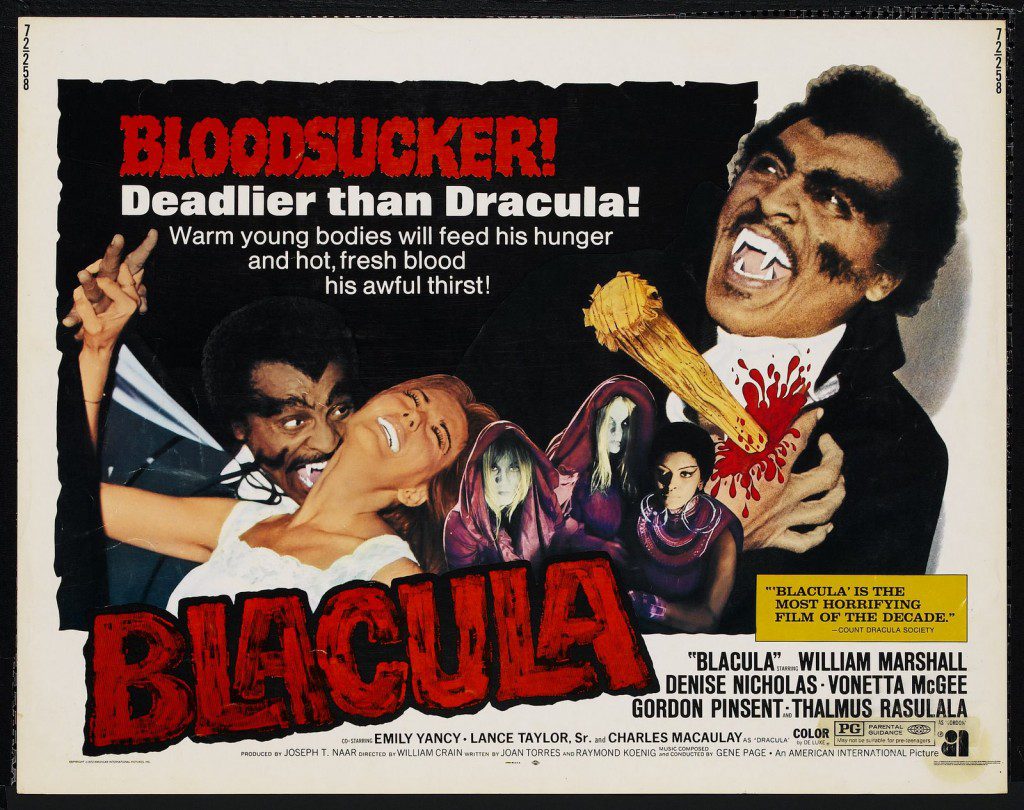
Starting with “Blacula” (1972), this film broke new ground by winning the Saturn Award for Best Horror Film. It cleverly intertwines themes of slavery and erudition within a horror context, setting a precedent for films that followed.
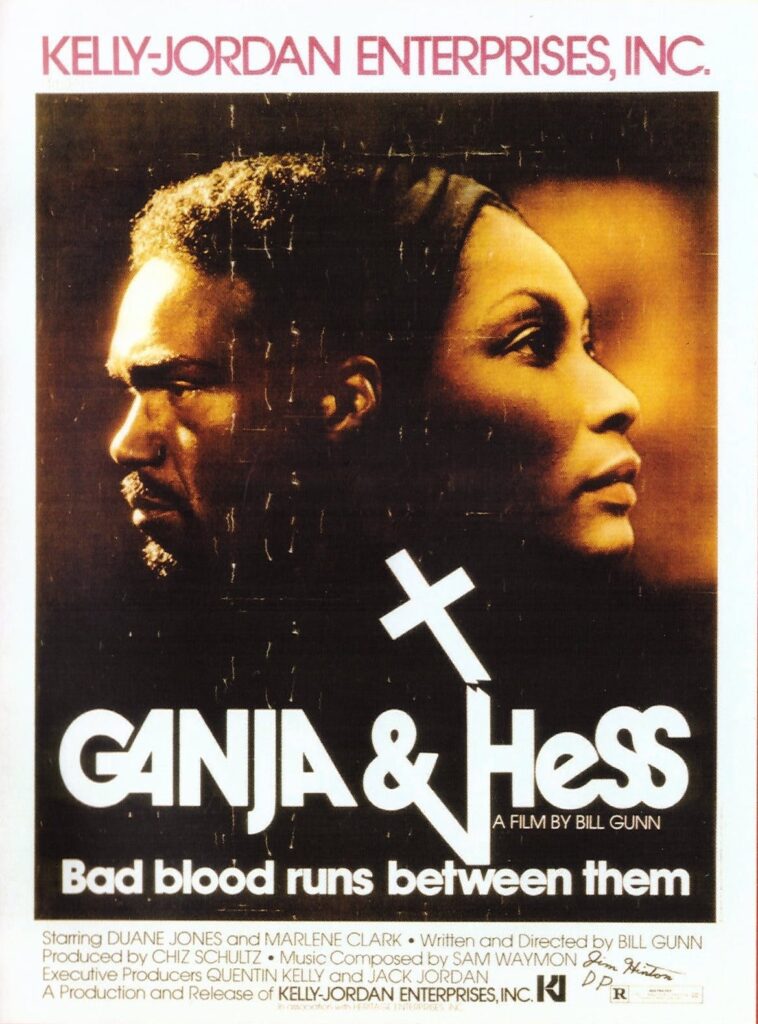
“Ganja & Hess” (1973) took genre tropes and turned them on their head, delving into complex themes of sexuality, colonialism, and addiction.
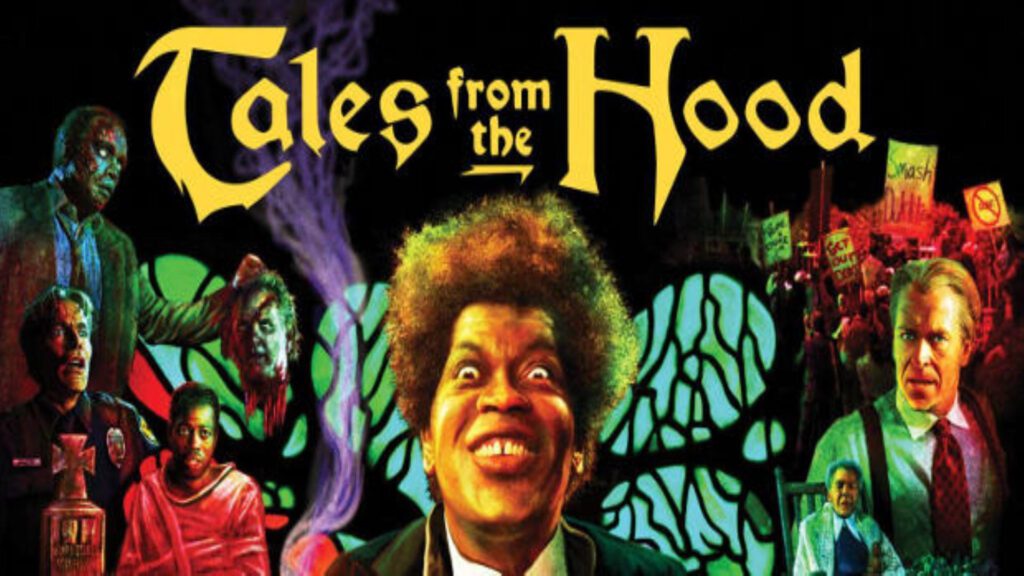
Fast forward to 1995 with “Tales From the Hood,” a film that faced initial marketing challenges due to its political content but eventually gained recognition for its poignant societal commentary.
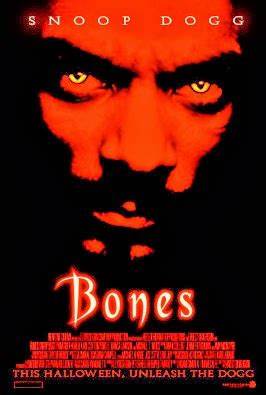
In 2001, “Bones,” featuring Snoop Dogg, delighted audiences with its supernatural revenge narrative infused with dark humor.
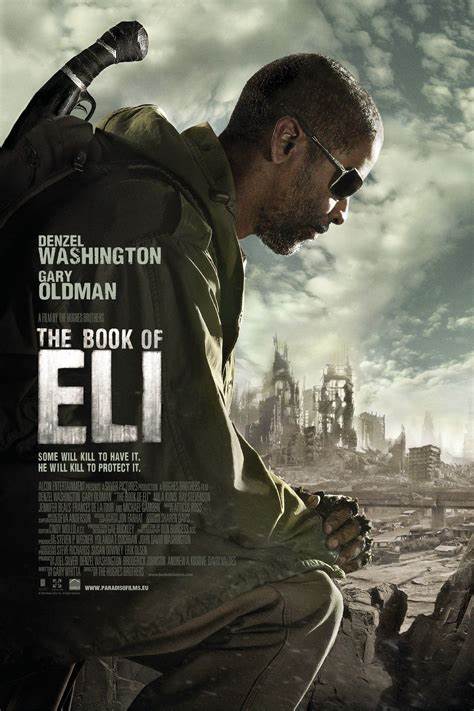
“The Book of Eli” (2010) brought us a post-apocalyptic vision where themes of faith and hope were explored, with Denzel Washington leading the charge.
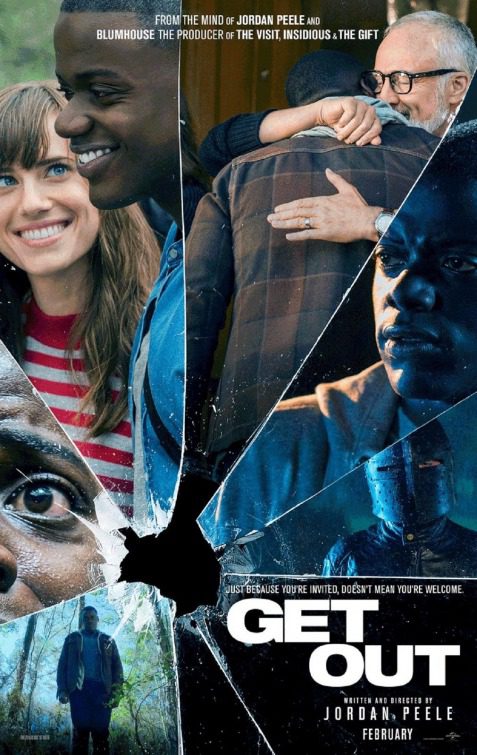
Jordan Peele’s “Get Out” (2017) emerged as a cultural phenomenon, addressing racial divides with precision and earning an Oscar for Best Original Screenplay.
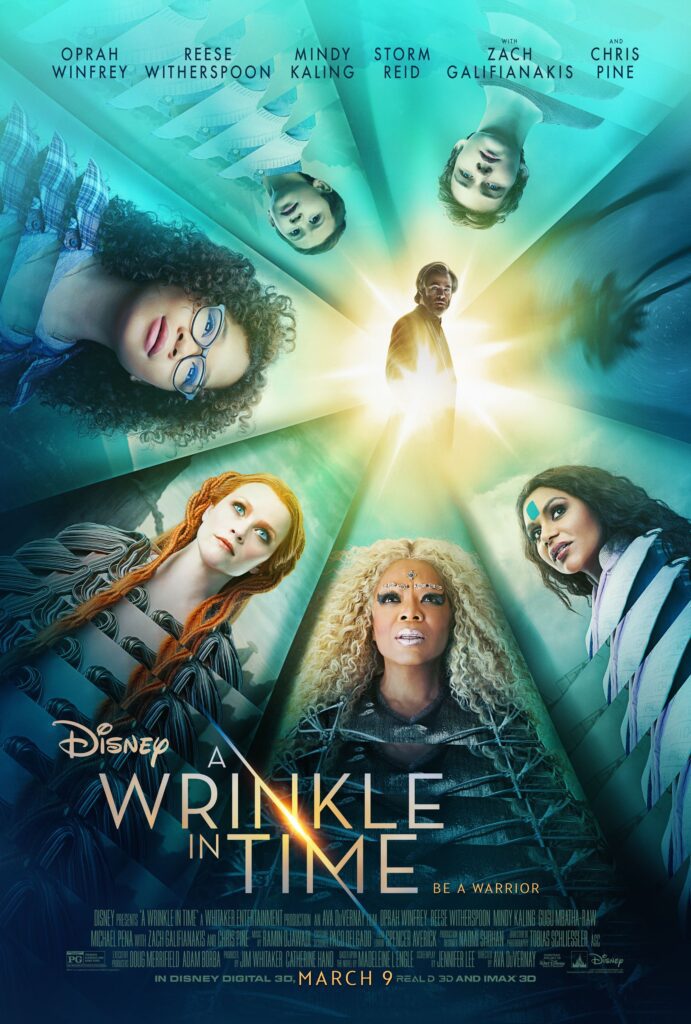
Ava DuVernay’s adaptation of “A Wrinkle in Time” (2018) transformed a classic novel into a contemporary fantasy film.
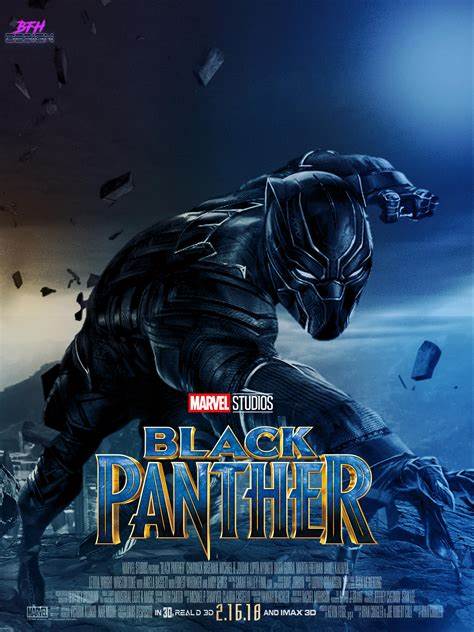
Ryan Coogler’s “Black Panther” (2018) became a cultural milestone, focusing on Black imagination and liberation.
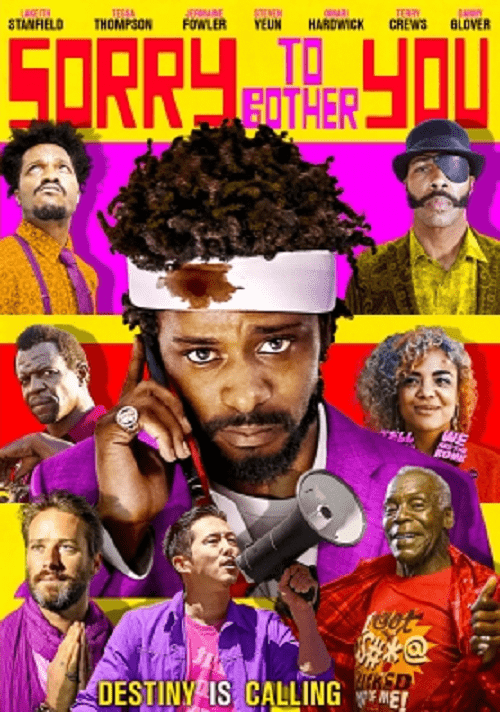
“Sorry to Bother You” (2018) is a surreal exploration of telemarketing infused with a strong political message.
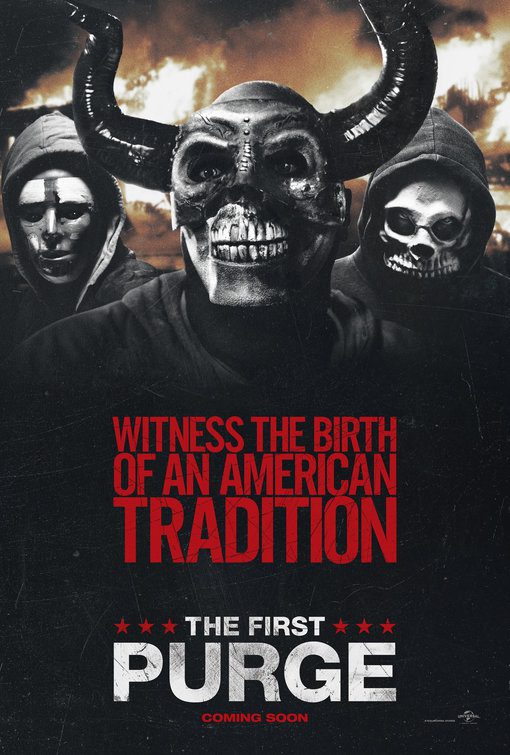
Gerard McMurray’s “The First Purge” (2018) tackled modern-day issues through a dystopian lens.
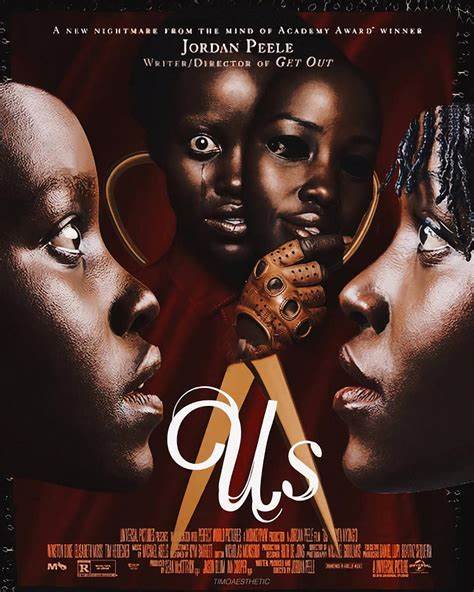
Jordan Peele returned in 2019 with “Us,” a horror film about societal inequality featuring Lupita Nyong’o in a standout role.
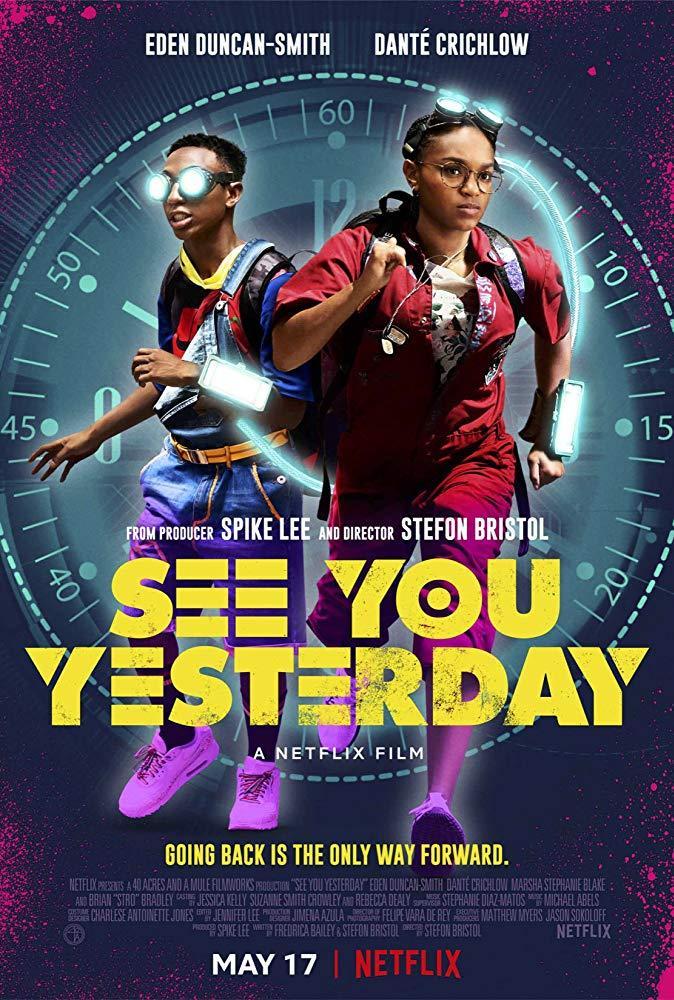
Spike Lee produced “See You Yesterday” (2019), which used sci-fi to address police brutality.
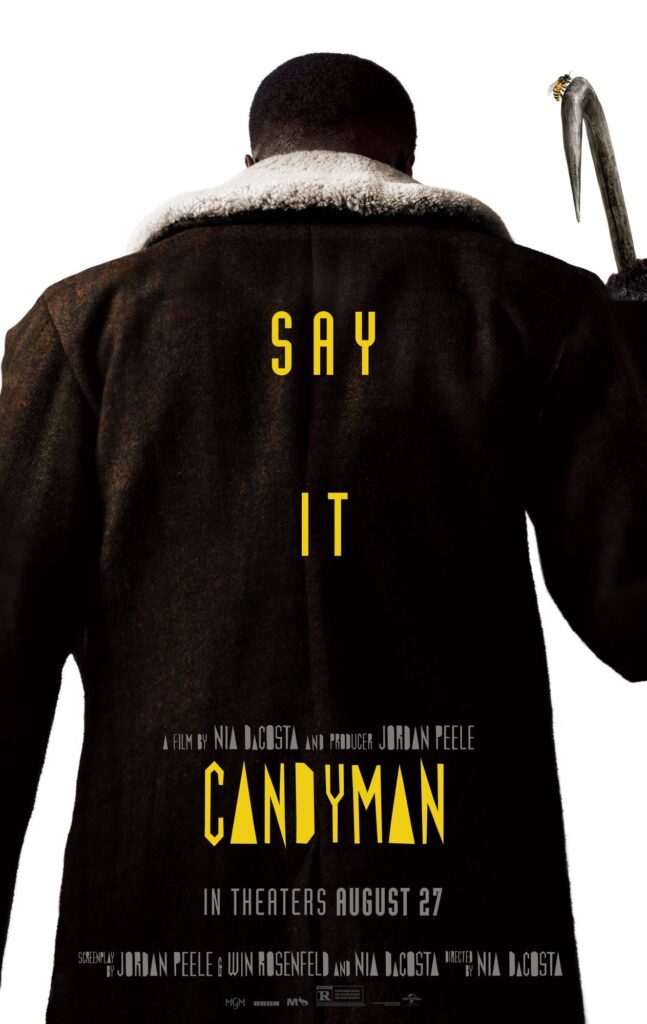
Nia DaCosta’s “Candyman” (2021) tackled systemic racism and intergenerational trauma.
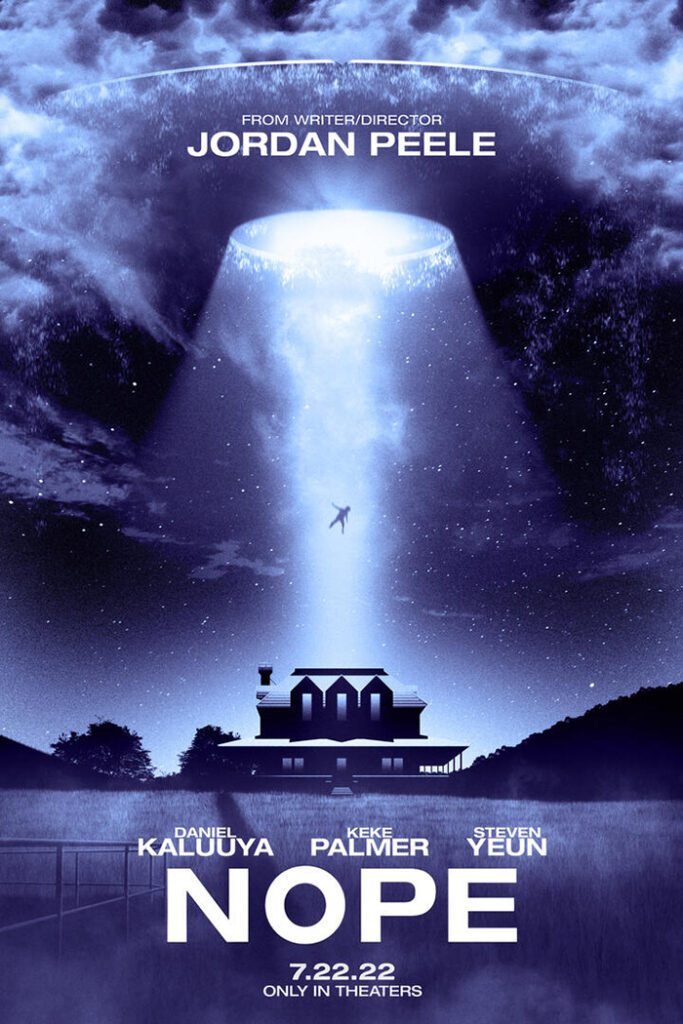
Jordan Peele’s “Nope” (2022) critiqued humanity’s fascination with spectacle and the erasure of Black people in entertainment.
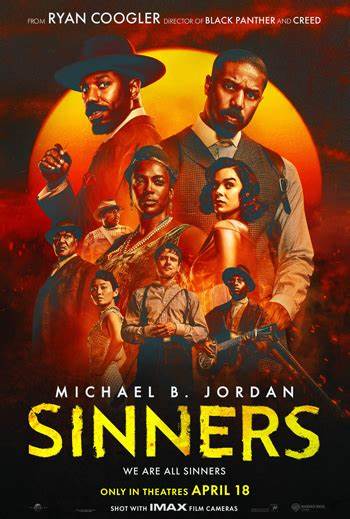
Finally, Ryan Coogler’s Sinners (2025) critiqued humanity’s fascination with spectacle and the erasure of Black people in entertainment.
These films not only entertain but also provoke thought and discussion, showcasing the vast array of talent among Black filmmakers. As we continue to explore the depths of sci-fi and horror, let’s celebrate these visionary directors who have enriched our cinematic experiences with their bold narratives and unique perspectives.
Their contributions remind us that cinema is not just a medium for storytelling but also a powerful tool for cultural expression and societal reflection.